Silage Wrap: Maximising Crop Preservation
In modern agriculture, the preservation of crops plays a crucial role in ensuring a stable and nutritious feed supply for livestock. Silage wrap has emerged as a pivotal tool in this domain, offering farmers in Australia an efficient and effective method to protect their forage from spoilage. This article delves into the importance of silage wrap, its benefits, and best practices for its use to maximise crop preservation.
What is Silage Wrap?
Silage wrap is a type of plastic film used to encase silage bales, creating an airtight seal that promotes anaerobic fermentation. This process is essential in converting crops like grass, maise, and legumes into silage, a high-moisture stored fodder used to feed ruminants during periods when fresh forage is unavailable.
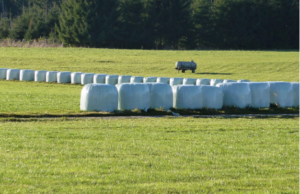
Typically made from polyethylene, silage wrap is designed to be stretchable, durable, and resistant to punctures. Its flexibility allows it to conform tightly around bales, while its strength ensures long-lasting protection against environmental elements.
The Benefits of Using Silage Wrap
Enhanced Preservation
The primary benefit of silage wrap is its ability to enhance crop preservation. By creating an airtight environment, silage wrap prevents the entry of oxygen, which is critical in maintaining the quality of the silage. Oxygen can lead to the growth of undesirable microbes that cause spoilage, reducing the nutritional value of the feed.
Reduction of Waste
Silage wrap minimises wastage by protecting the forage from external factors such as rain, wind, and pests. Without proper wrapping, silage can easily become contaminated or spoiled, leading to significant losses. By using high-quality silage wrap, farmers can ensure that a larger proportion of their harvested crops are usable.
Improved Feed Quality
The fermentation process facilitated by silage wrap not only preserves the forage but also enhances its nutritional profile. Properly wrapped silage retains essential nutrients, making it a richer source of energy and protein for livestock. In turn, it supports better animal health and productivity.
Cost Efficiency
While the initial investment in silage wrap may seem high, it is cost-effective in the long run. The reduction in crop losses and the improvement in feed quality translate to lower overall feeding costs. Additionally, the extended shelf life of wrapped silage means that farmers can store their feed for longer periods without deterioration.
Convenience and Flexibility
Silage wrap provides farmers with the convenience of storing feed in various locations without the need for permanent structures like silos. This flexibility is especially beneficial for farms with limited space or those looking to diversify their storage options.
Best Practices for Using Silage Wrap
To maximise the benefits of silage wrap, farmers should adhere to certain best practices:
Select High-Quality Wrap
Choosing a high-quality silage wrap is crucial. Look for a wrap that is UV resistant, has excellent stretchability, and provides a strong seal. The quality of the wrap directly affects the preservation of the silage.
Proper Bale Wrapping
Ensure that bales are wrapped tightly and uniformly. Overlapping layers of wrap are essential to create an airtight seal. Typically, a minimum of four layers is recommended, but in areas with harsh weather conditions, more layers may be necessary.
Immediate Wrapping
Silage should be wrapped immediately after baling to prevent the introduction of oxygen and to kick-start the fermentation process. Delays can lead to spoilage and reduced feed quality.
Regular Inspection
Regularly inspect wrapped bales for any damage or punctures. Small holes can compromise the anaerobic environment, allowing oxygen to seep in and spoil the silage. Promptly repairing any damage with specialised silage tape can prevent further deterioration.
Proper Storage
Store wrapped bales in a shaded area, away from sharp objects and potential animal interference. Direct sunlight can degrade the plastic over time, reducing its effectiveness. Keeping bales on a well-drained surface also helps prevent moisture accumulation and prolongs the integrity of the wrap.
Conclusion
Silage wrap has become an indispensable asset in modern farming in Australia, playing a critical role in crop preservation. Its ability to maintain the quality of forage, reduce waste, and enhance feed efficiency underscores its value to farmers worldwide. By understanding the benefits of silage wrap and adhering to best practices in its application, farmers can maximise their crop yields and ensure a consistent supply of high-quality feed for their livestock. Investing in silage wrap is not just a step towards better preservation but also a stride towards more sustainable and profitable farming practices.
