CCL Tear in Dogs: Causes, Symptoms, and Treatment
A CCL tear in dogs is one of the most common orthopedic injuries affecting canine companions in Portland, OR, and across the United States. The cranial cruciate ligament (CCL), equivalent to the ACL in humans, plays a crucial role in stabilising the knee joint. When this ligament tears or ruptures, it can cause significant pain, lameness, and long-term mobility issues.
Understanding the overall causes, symptoms, and treatment options available in Portland is essential for pet owners who want to significantly provide the best care for their furry friends. For professional CCL tear in dogs treatment services, click here.
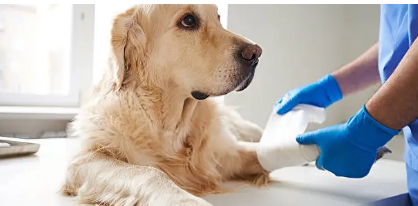
What Causes a CCL Tear in Dogs?
A CCL tear in dogs can result from various factors, including:
- Degenerative Changes: Unlike ACL injuries in humans, which often result from sudden trauma, a CCL tear in dogs is usually a gradual process due to ligament degeneration.
- Obesity: Overweight dogs are at a higher risk of CCL tears due to the increased strain on their knee joints.
- Breed Predisposition: Certain breeds, such as Labrador Retrievers, Rottweilers, and Boxers, are more prone to CCL injuries.
- High-Impact Activities: Repetitive stress from running, jumping, or sudden changes in direction can contribute to ligament damage.
- Age and Genetics: Older dogs and those with a genetic predisposition may develop weakened ligaments, making them more susceptible to tears.
Signs and Symptoms of a CCL Tear in Dogs
Recognising the symptoms of a CCL tear in dogs early can help ensure prompt treatment. Some of the most common signs include:
- Sudden or gradual limping on one hind leg
- Difficulty standing up or jumping
- Swelling around the knee joint
- Decreased activity levels
- Audible clicking sounds when walking.
- Muscle atrophy in the affected leg
If you notice any of these symptoms in your dog, it’s crucial to seek veterinary care in Portland as soon as possible.
Diagnosis of CCL Tear in Dogs in Portland, OR
Veterinarians in Portland use several methods to diagnose a CCL tear in dogs:
- Physical Examination: The vet will assess your dog’s knee for instability and pain.
- X-rays – Imaging helps rule out other conditions, such as arthritis or fractures.
- Drawer Test and Tibial Thrust Test: These manual tests evaluate joint movement to confirm ligament damage.
- Advanced Imaging (MRI or CT Scan): In some cases, advanced imaging may be required for an accurate diagnosis.
Treatment Options for CCL Tear in Dogs in Portland
Once a CCL tear in dogs is confirmed, various treatment options are available in Portland. These include surgical and non-surgical approaches.
Surgical Treatment Options
- Tibial Plateau Leveling Osteotomy (TPLO): This popular surgical procedure involves altering the knee’s structure to reduce instability. It is highly effective, especially for active or large-breed dogs.
- Tibial Tuberosity Advancement (TTA): Similar to TPLO, this surgery modifies the knee joint mechanics to stabilise movement.
- Lateral Suture Stabilisation (Extracapsular Repair): This technique uses sutures to mimic the function of the damaged ligament, making it suitable for small or less active dogs.
Non-Surgical Treatment Options
For dogs who are not candidates for surgery due to age, health conditions, or financial constraints, non-surgical options can help manage symptoms:
- Weight Management: Reducing excess weight can alleviate stress on the knee joint.
- Physical Therapy & Rehabilitation: Hydrotherapy, laser therapy, and controlled exercises can effectively help strengthen muscles and improve mobility.
- Pain Management: NSAIDs and other medications can reduce inflammation and discomfort.
- Bracing: A custom knee brace can provide stability and support during recovery.
Conclusion:
A CCL tear in dogs can be a challenging condition to fully manage, but with the proper veterinary care in Portland, OR, your dog can regain mobility and lead a comfortable life. Whether through surgical intervention, rehabilitation, or pain management, various treatment options are available to suit your dog’s specific needs. If you suspect your dog has a CCL tear, consult a local veterinarian as soon as possible to explore the best course of action.
By staying informed and proactive, pet owners can help their furry companions recover and thrive, even after experiencing a CCL tear in dogs.
