Silage Plastic: Protecting Your Harvest
Protecting feed quality is crucial to agricultural success. Australian farmers rely on silage plastic weatherproof solutions to ensure their crops remain in optimal condition throughout storage. Choosing the right silage plastic not only safeguards feed but also enhances livestock health and boosts farm profitability. For silage plastic weatherproof, check this out.
Why Silage Plastic Weatherproof Protection Matters
Australia’s diverse and sometimes unpredictable climate demands resilient farming solutions. From the scorching heat of the Northern Territory to the torrential rains in Victoria, farmers face a range of weather conditions that can jeopardise silage quality.
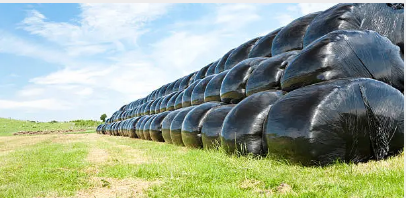
Silage plastic acts as a protective barrier, shielding stored fodder from exposure to oxygen, moisture, UV radiation, and pests. Weatherproof silage plastic takes it a step further by offering enhanced durability and resistance to environmental extremes, ensuring the long-term preservation of silage. Without proper coverage, silage can spoil quickly, leading to nutrient loss, mould growth, and significant financial waste.
Key Benefits of Using Weatherproof Silage Plastic
Investing in high-quality silage plastic weatherproof solutions offers a wide range of advantages:
- Maximum Feed Preservation: By preventing oxygen and water ingress, the plastic maintains the nutritional value of the silage, ensuring livestock receive high-energy feed.
- Extended Storage Life: Weatherproof plastics are designed to withstand harsh Australian conditions, enabling farmers to store silage for extended periods without degradation.
- Reduced Waste and Cost: Effective sealing minimises spoilage, meaning less waste and more feed per dollar invested.
- Enhanced Farm Efficiency: With durable, reliable silage protection, farmers spend less time repairing covers and more time focusing on core farming operations.
Types of Weatherproof Silage Plastic Available
The Australian agricultural market offers a range of silage plastic weatherproof products, each suited to different storage methods and climatic conditions.
Silage Sheets
Silage sheets are large, thick plastic films used to cover bunkers, clamps, and pits. They are typically made from multi-layer polyethylene with UV inhibitors for superior weather resistance.
Silage Wraps
Ideal for individual bale wrapping, silage wraps offer flexibility and substantial oxygen barriers. These are critical for maintaining airtight seals around round or square bales, especially in regions with variable weather conditions.
Silage Covers with Anti-UV Technology
Some premium silage plastics feature advanced UV stabilisers, extending their lifespan even under the intense Australian sun. It’s added protection ensures that the plastic maintains its strength and sealing properties for extended periods.
How to Choose the Best Silage Plastic Weatherproof Solution
Selecting the right silage plastic weatherproof product involves careful consideration of several factors:
- Thickness and Strength: Thicker plastics offer greater puncture resistance and durability. Look for options ranging from 150 to 250 microns, depending on your needs.
- UV Resistance: In Australia, UV protection is a non-negotiable requirement. Ensure the product contains adequate UV stabilisers for the sunlight intensity in your region.
- Oxygen Transmission Rate (OTR): A lower OTR indicates that less oxygen can penetrate the plastic, thereby preserving silage quality. Opt for plastics specifically rated for low OTR (Out-of-Track Resistance).
- Ease of Handling: Choose products that are easy to deploy and seal, saving time and labour during critical harvest periods.
- Warranty and Supplier Reputation: Reliable suppliers often back their products with warranties, reflecting their confidence in the quality of their products.
Tips for Maximising Silage Protection
Even with the best silage plastic weatherproof materials, proper handling and storage practices are key to achieving optimal results. Here are a few expert tips:
- Prepare the Storage Area: Ensure pits and bunkers are smooth and free of sharp objects that might puncture the plastic.
- Seal Quickly: Cover silage as soon as possible after packing to limit oxygen exposure.
- Use Protective Covers: In high-wind areas, adding a secondary protective cover (like heavy-duty mesh) can further safeguard the primary plastic.
- Regularly Inspect: Check the covers throughout the storage period for any damage and repair promptly to maintain the seal.
- Weigh It Down Properly: Use silage mats, gravel bags, or tyres to keep the plastic firmly in place.
Conclusion:
In Australia’s challenging agricultural environment, protecting your silage is not just a best practice—it’s a necessity. Choosing high-quality silage plastic weatherproof products ensures that your hard work is preserved against weather extremes, pests, and the passage of time. Whether you’re wrapping bales or covering a silage pit, investing in durable, reliable plastic is an investment in the future success of your farm.
