Silage Wrap: The Ultimate Guide to Choosing the Right Silage Wrap for Your Farm
Selecting the right silage wrap is crucial for ensuring the quality of silage for livestock. Silage wrap plays a vital role in preserving the nutritional value of forage crops by creating an anaerobic environment that prevents spoilage. With numerous options on the market, making the right choice can be daunting. This guide will help you navigate the various factors to consider when selecting silage wrap for your farm.
Understanding Silage Wrap
Silage wrap is a type of plastic film designed to seal and protect fermented forage. Its primary function is to prevent oxygen from entering the silage, which can lead to spoilage and loss of nutrients. The right silage wrap can significantly affect the fermentation process, ultimately impacting the quality and palatability of the silage.
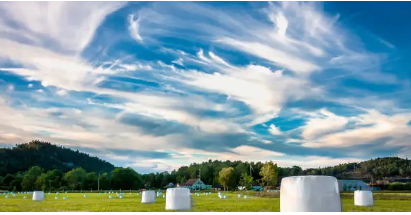
Types of Silage Wrap
- Standard Wrap: This is the most commonly used type of silage wrap, typically made from low-density polyethylene (LDPE). It provides good UV resistance and is available in various thicknesses. Standard wraps are effective for many forage types, but their durability may vary based on environmental conditions.
- High-Strength Wrap: Made from a thicker film, high-strength wraps are designed to withstand harsher conditions, such as extreme weather or rough handling. These wraps are ideal for farms that need extra protection due to high winds or other environmental factors.
- Stretch Film: This type of wrap provides a strong seal while allowing some flexibility. It is often used in combination with net wrap for added protection and can help reduce the risk of tearing during handling.
Key Factors to Consider
When choosing the right silage wrap for your farm, consider the following factors:
Thickness and Strength
The thickness of the wrap is critical for durability. Thicker wraps provide better puncture resistance and UV protection, reducing the chances of spoilage. Look for wraps that range from 20 to 30 microns in thickness, as they generally offer a good balance between strength and flexibility.
UV Resistance
Silage wrap is often exposed to sunlight during storage, which can degrade the material over time. Choosing a UV-resistant wrap ensures that the silage remains protected and retains its nutritional value. Look for wraps specifically labelled with UV protection to prevent deterioration.
Length and Width
Silage wrap comes in various lengths and widths. When choosing the wrap, consider the size of your bales. Wider wraps are beneficial for large bales, while narrower ones may be more suitable for smaller bales. Ensure that the length of the wrap is adequate for the number of bales you plan to produce.
Colour
While the colour of the silage wrap may seem like a minor detail, it can affect heat absorption. Darker wraps absorb more heat, which can lead to increased fermentation temperatures.
Cost
While it’s important to choose a high-quality silage wrap, consider your budget as well. Higher-priced wraps often offer better durability and protection, which can save you money in the long run by reducing spoilage and losses. Compare prices and consider the total cost of ownership, including the potential savings from improved silage quality.
Additional Considerations
- Environmental Impact: If sustainability is a concern for your farm, look for biodegradable or recyclable wraps. These options can help reduce your farm’s environmental footprint.
- Handling and Application: Ensure that the wrap is easy to handle and compatible with your wrapping equipment. Some wraps are designed for specific types of balers, so check compatibility before making a purchase.
- Supplier Reputation: Research suppliers and read reviews from other farmers to ensure that you are purchasing from a reputable source. Quality control and customer service can vary significantly between manufacturers.
Conclusion
Choosing the right silage wrap is a vital decision for preserving the quality of your hay and, by extension, the health of your livestock. By considering the type of wrap, thickness, UV resistance, and other factors outlined in this guide, you can make an informed decision that meets the needs of your farm.
Investing in high-quality silage wrap can yield significant returns through improved silage quality and reduced waste. Take the time to evaluate your options and choose the wrap that best aligns with your farming practices and goals. With the right silage wrap, you can ensure that your livestock receives the highest quality forage, leading to healthier animals and more productive farming operations.
