Baling Twine: Why Choosing Durable Baling Twine Matters for Your Farm’s Efficiency
In Australia’s agricultural world, efficiency is key to productivity and profitability. Farmers and livestock owners rely on various tools and materials to streamline their daily operations, and one often overlooked yet essential component is baling twine. This simple but crucial item plays a significant role in securing hay, straw, and other materials for storage and transport. Choosing durable baling twine can make a substantial difference in farm efficiency, reducing waste, minimising labour, and ensuring operational smoothness.
The Role of Baling Twine in Farm Operations
Baling twine is primarily used to bind and secure hay or straw into manageable bales. These bales are then stored for future use or transported to different locations. Farmers also use baling twine for various tasks, including repairing fences, securing loads, and even makeshift fixes in daily farm activities. Given its versatility, having strong and reliable baling twine is essential for smooth farm operations.
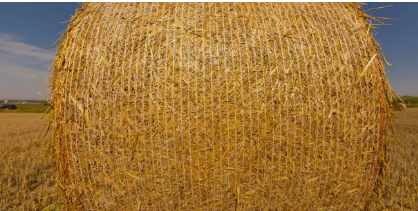
When baling twine is weak or breaks easily, it leads to inefficiencies, such as re-baling loose material, increased labour costs, and potential damage to stored hay. It makes the selection of high-quality baling twine a critical decision for any farmer.
The Advantages of Durable Baling Twine
1. Prevents Bale Breakage and Reduces Waste
Weak baling twine is prone to snapping, which can cause bales to fall apart during storage or transport. This results in wasted hay and additional costs to re-bale or replace lost material. Choosing durable baling twine ensures that your hay remains intact, reducing waste and preserving valuable resources.
2. Saves Time and Labor Costs
Handling broken bales means extra time spent re-baling and cleaning up loose hay. When you invest in high-quality baling twine, you minimise these setbacks, allowing workers to focus on more important tasks. The stronger the twine, the more reliable the bales, leading to a smoother workflow and increased efficiency.
3. Enhances Weather Resistance
Farmers often store hay outdoors or in barns where exposure to moisture, sunlight, and varying temperatures can weaken baling twine over time. Durable baling twine is designed to withstand harsh environmental conditions, preventing premature degradation and ensuring long-lasting bale integrity. It is especially important in areas with extreme weather patterns where unreliable twine can lead to major losses.
4. Improves Safety for Livestock and Workers
Broken or frayed baling twine can pose safety hazards for both farm workers and livestock. Loose strands can become entangled around animals, leading to injuries. Likewise, farmhands handling weak twine risk hand injuries from sudden breakages. Investing in high-quality baling twine reduces these risks and contributes to a safer working environment. Additionally, durable twine prevents accidental ingestion by animals, which can cause serious health issues.
5. Cost-Effective in the Long Run
While durable baling twine may have a higher upfront cost, it saves money in the long run by reducing material waste, minimising labour, and preventing damage to hay. Farmers who opt for cheap and weak twine often end up spending more on replacements and re-baling efforts. Choosing strong, long-lasting baling twine is an investment that pays off over time.
6. Better Performance in Automated Balers
Many modern farms use automated balers to increase productivity. These machines require high-quality baling twine that can withstand high tension and rapid baling processes without breaking. Inferior twine can cause machine jams, downtime, and even mechanical damage. Using strong and reliable baling twine ensures uninterrupted operation and maximises equipment efficiency.
Factors to Consider When Choosing Baling Twine
To ensure you get the most durable baling twine, consider the following factors:
- Tensile Strength: Look for twine with high tensile strength to handle the weight and pressure of heavy bales.
- Material Quality: Polypropylene twine is popular due to its strength and resistance to environmental conditions.
- Knot Strength: Strong knots prevent twine from slipping or breaking under tension.
- UV Resistance: If you store bales outdoors, UV-resistant twine helps prevent sun damage and prolongs lifespan.
- Bale Type: Choose twine appropriate for the type and size of bales you handle, whether small square, large round, or high-density bales.
- Environmental Impact: Consider biodegradable or recyclable twine options if sustainability is a priority for your farm.
Conclusion
In Australia’s fast-paced world of farming, efficiency is critical to success. Choosing durablebaling twine helps prevent bale breakage, saves time, reduces labour costs, enhances safety, and provides long-term savings. By investing in high-quality twine, farmers can ensure smooth operations and protect valuable resources. Whether you’re storing hay for livestock or securing farm materials, reliable baling twine is a small but essential tool that significantly impacts overall farm efficiency.
