Silage Covers: Why Every Farmer Needs High-Quality Silage Covers for Better Livestock Nutrition
Silage covers are an essential component of modern farming in Australia, playing a crucial role in preserving forage quality and ensuring optimal livestock nutrition. These covers act as a protective barrier that shields silage from external factors such as oxygen, moisture, and pests, preventing spoilage and nutrient loss. Investing in high-quality silage covers can significantly enhance feed quality, leading to healthier livestock, improved milk and meat production, and overall cost savings for farmers.
The Importance of Silage Covers in Forage Preservation
Silage is a crucial feed source for livestock, particularly during seasons when fresh forage is scarce. However, without proper preservation methods, silage can deteriorate due to exposure to air, leading to fermentation issues, mould growth, and spoilage. High-quality silage covers create an airtight seal, minimising oxygen infiltration and maintaining the nutritional integrity of the feed.
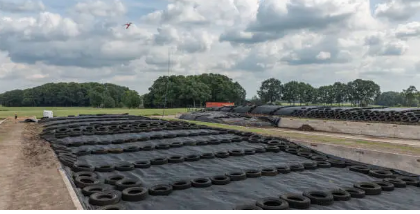
A well-covered silage pile retains its original nutrient composition, providing livestock with the essential proteins, fibres, and energy needed for optimal growth and productivity. Farmers who use reliable silage covers ensure that their animals receive consistent, high-quality feed, which directly impacts their overall health and performance.
How High-Quality Silage Covers Improve Livestock Nutrition
1. Preventing Nutrient Loss
One of the biggest challenges farmers in Australia face in silage storage is nutrient loss due to oxidation. When silage is exposed to air, valuable nutrients such as carbohydrates and proteins break down, reducing the overall feed value. High-quality silage covers act as an oxygen barrier, preserving the energy and protein content of the feed.
2. Reducing Mold and Mycotoxin Contamination
Mold growth in silage can lead to mycotoxin contamination, which poses significant health risks to livestock. Consumption of mouldy feed can result in reduced appetite, digestive issues, lower milk yield, and even severe illnesses. Premium silage covers help prevent mould formation by keeping excess moisture and air out of the silage pile, ensuring safer and healthier feed for livestock.
3. Enhancing Fermentation Efficiency
Proper fermentation is key to producing high-quality silage. When silage is sealed effectively, beneficial lactic acid bacteria thrive, lowering pH levels and preserving the feed. A poor-quality cover may allow oxygen to seep in, leading to inefficient fermentation and spoilage. Investing in durable, airtight silage covers guarantees proper fermentation, resulting in highly digestible and nutrient-rich feed.
Cost Savings and Economic Benefits of Silage Covers
Beyond improving livestock nutrition, high-quality silage covers contribute to long-term cost savings for farmers.
- Reducing Feed Waste: Spoiled silage must be discarded, leading to unnecessary feed wastage. Effective silage covers minimise spoilage, ensuring that farmers get the most out of their harvested forage.
- Lowering Veterinary Costs: Feeding animals contaminated or low-quality silage increases the risk of health problems, leading to higher veterinary expenses. Providing high-quality, well-preserved silage reduces the likelihood of illnesses, keeping livestock in peak condition.
- Enhancing Production Efficiency: Healthy livestock converts feed more efficiently, resulting in improved milk production in dairy farms and better weight gain in meat-producing animals. It directly translates to higher farm profitability.
Choosing the Right Silage Covers for Maximum Benefits
Not all silage covers are created equal. To achieve the best results, farmers should consider the following factors when selecting silage covers:
1. Material Quality
High-quality silage covers are made from durable, multi-layered plastic with excellent oxygen barrier properties. Choosing UV-resistant covers ensures longevity, preventing degradation due to sun exposure.
2. Thickness and Strength
A good silage cover should be thick enough to withstand punctures and tears. Thin or weak covers can easily be damaged by weather conditions, animals, or equipment, leading to oxygen exposure and spoilage.
3. Proper Sealing and Coverage
In achieving maximum protection, silage covers should be properly secured with weighted materials like gravel bags or tyres. Farmers should ensure that all edges are sealed tightly to prevent air infiltration.
4. Multi-layered Protection
Using a combination of oxygen barrier films and traditional silage covers provides extra protection against oxygen exposure. This dual-layer system enhances feed preservation and quality.
Conclusion
High-quality silage covers are a vital investment for any farmer in Australia looking to improve livestock nutrition and farm efficiency. By preserving the nutritional value of silage, these covers ensure that livestock receive the best possible feed, leading to healthier animals, increased production, and long-term cost savings. Choosing the right silage covers can make a significant difference in farm profitability, making them an indispensable tool for modern agriculture. Farmers who prioritise silage protection can enjoy the benefits of reduced waste, better animal health, and improved overall productivity.
In the ever-evolving world of farming, high-quality silage covers are not just an option—they are a necessity for sustainable and profitable livestock management.
